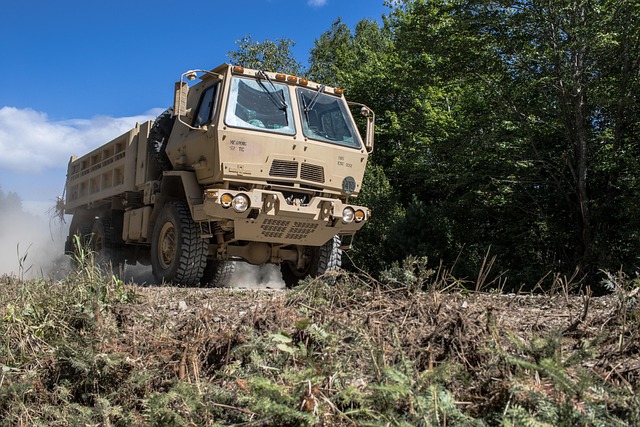
The US Army Rangers Flag is a powerful symbol of military excellence, reflecting the unit's history, discipline, and sacrifices. It undergoes evolutions in design, preserving its significance through ritual use and strict protocol. Only authentic flags from verified sources uphold the integrity of Ranger traditions, ensuring quality, durability, and respect for veterans. Displaying the US Army Rangers flag requires understanding and honoring its core values to maintain its dignity and legacy within special operations forces.
In the realm of military operations, where precision and readiness are paramount, the gear and insignia worn by US Army Rangers stand as a symbol of excellence. The authentic Ranger gear and flags, including the iconic US Army Rangers flag, play a crucial role in identifying these elite soldiers and embodying their unique heritage. However, distinguishing genuine items from counterfeits has become a growing concern. This article delves into the intricacies of Ranger gear and flags, offering an authoritative guide to ensure collectors and enthusiasts acquire authentic pieces that pay tribute to these formidable warriors accurately.
- Understanding US Army Rangers Gear: Essential Equipment Overview
- The Evolution of Ranger Flags: Historical Significance and Design
- Authentic vs. Replica: Ensuring Quality and Integrity in Acquisition
- US Army Rangers Flag: Symbolism, Protocol, and Respectful Display
Understanding US Army Rangers Gear: Essential Equipment Overview
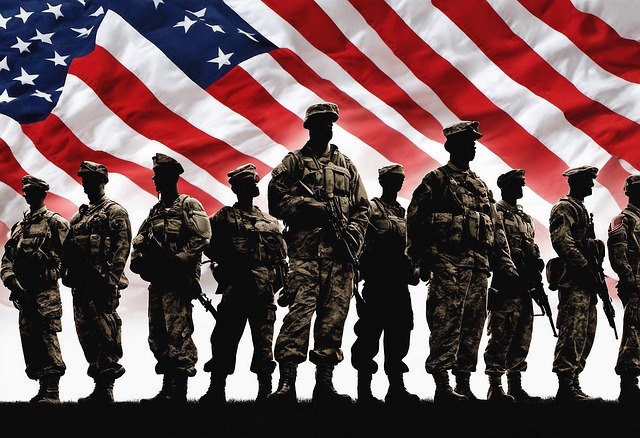
The US Army Rangers, renowned for their exceptional prowess and heritage, are synonymous with high-quality gear designed to withstand the most demanding operational environments. Understanding their essential equipment is key to appreciating their capabilities and the rich army ranger tradition. At the heart of this equipment lies a blend of specialized uniforms, durable weaponry, advanced communication devices, and unique flags that serve as symbols of their distinct identity.
Among these iconic items, the US Army Rangers Flag holds a special place. This flag, featuring distinctive elements like the Ranger Tab and black and white stripes, represents their combat readiness and honor. It is proudly displayed during ceremonies, training exercises, and missions, serving as a constant reminder of their specialized training and unique history. Online stores similar to Ultimate Flags offer a range of authentic US Army Rangers flags, ensuring that this symbol of pride can be flown with pride by both veterans and supporters alike.
The army ranger heritage extends beyond the flag to their specialized gear. The Special Forces Selection process, a grueling series of tests designed to push candidates to their limits, ensures that only the most capable individuals become part of this elite group. Their equipment is carefully chosen to support their mission-critical tasks, from rugged combat boots built for endurance to advanced night vision devices enhancing their operational capabilities in any condition. By focusing on durability, functionality, and comfort, rangers are equipped to navigate challenging terrains and engage in dynamic operations.
To ensure optimal performance, rangers undergo rigorous training regimens that prepare them mentally and physically for the rigors of special operations. Their gear plays a pivotal role in this preparation, as it must be reliable and versatile across diverse environments. By embracing a culture of excellence and continuously refining their equipment choices, US Army Rangers exemplify the pinnacle of military preparedness, leaving an indelible mark on both their legacy and the global special forces landscape.
The Evolution of Ranger Flags: Historical Significance and Design
The evolution of Ranger flags, a symbol of US Army Rangers' unique identity and heritage, traces back to their early days as an elite fighting force. The US military ranger patch and its associated insignia have undergone significant transformations, reflecting the changing landscape of warfare and the Rangers' evolving role within it. Initially, Ranger units relied on basic identifying marks, such as distinctive patches and flags, to distinguish themselves from regular troops. These early designs often incorporated elements like a deer's head or other natural motifs, symbolizing their connection to the wilderness and stealthy tactics.
As the US Army Rangers battalion grew in prominence, so did their insignia. The iconic US Army Rangers flag emerged as a powerful representation of their courage and skill. Over time, the design evolved to include more intricate details, such as the addition of swords, which symbolized their combat prowess, and the integration of global conflict zones' maps to represent their deployment history. For instance, the modern Ranger flag may depict the European theater of World War II alongside other significant battle areas, showcasing the unit's versatility and adaptability.
The historical significance of these flags lies not only in their aesthetic appeal but also in their ability to foster a strong sense of camaraderie among Rangers. Wearing or displaying these patches and flags serves as a constant reminder of the unique bond shared by those who have served alongside them. For collectors and enthusiasts, acquiring rare or vintage Ranger gear, including flags and insignia, offers a tangible connection to this storied heritage. When selecting authentic Ranger gear, it is essential to research reputable suppliers known for their dedication to preserving Army Ranger traditions, ensuring that the purchased items are not only genuine but also carry the weight of history.
Authentic vs. Replica: Ensuring Quality and Integrity in Acquisition

When acquiring authentic ranger gear and flags, distinguishing between genuine items and replicas is paramount to preserve the quality and integrity of the symbols representing elite units like the U.S. Army Rangers. The U.S. Army Rangers flag, adorned with distinct colors and emblems, holds immense significance for both veterans and enthusiasts. It symbolizes the courage, discipline, and specialized skills of the Ranger Regiment. This is particularly true for iconic items such as the green beret symbol, a badge proudly worn by those who have undergone the rigors of Special Forces Selection.
Genuine ranger gear not only reflects the regiment's rich history but also ensures that traditions are upheld. Reputable vendors and authorized retailers play a crucial role in this regard, offering products certified by the U.S. Army or recognized military associations. For instance, flags should be manufactured to specific standards, featuring vibrant colors and precise stitching that match official specifications. Similarly, gear like patches, pins, and uniforms should bear authentic designs, ensuring they are not mere imitations.
Avoiding replicas is essential for several reasons. First, subpar replicas can erode the dignity associated with these honors. Second, they may lack the durability and quality of genuine items, leading to premature wear or even potential safety hazards. Moreover, purchasing replicas could inadvertently support unauthorized sellers, undermining the integrity of official military merchandise. To safeguard your investment and respect for the Rangers' legacy, it's essential to educate yourself about authentic sources, compare product details against official specifications, and seek certifications when making purchases.
US Army Rangers Flag: Symbolism, Protocol, and Respectful Display
The US Army Rangers Flag stands as a powerful symbol of elite military prowess, carrying deep historical significance and ritual importance. This emblem, distinguished by its unique design and vibrant colors, represents the formidable skill sets and esprit de corps associated with Ranger units worldwide. The flag's symbolism is deeply rooted in the rich heritage of Green Beret traditions, reflecting the core values instilled in these special operations forces. Each element of the flag tells a story—a testament to the history, discipline, and sacrifice that define Ranger companies.
Among these renowned units, the US Army Rangers have earned a distinguished place, with their company colors adorning various flags and banners. Online shops like Ultimate Flags cater to this niche market, providing authentic ranger gear and flags for enthusiasts and military personnel alike. The display of these flags is not merely ornamental but carries strict protocol. It is a respectful gesture, acknowledging the contributions and sacrifices made by Rangers throughout history. When unfurling the US Army Rangers Flag, whether at events or in formal settings, it is crucial to follow established guidelines. This includes ensuring the flag is flown at appropriate heights, properly secured, and never draped or allowed to touch the ground.
The green beret, a iconic symbol within the Ranger community, further emphasizes the importance of these traditions. Wearing and displaying the Rangers Flag with pride upholds the legacy of those who came before, fostering a sense of camaraderie among current members. As such, it is essential for both veterans and civilians to understand and respect the protocols surrounding these flags, ensuring their display remains dignified and meaningful. By embracing these practices, we honor the spirit and service of the US Army Rangers and the broader Green Beret traditions they represent.
By delving into the history and symbolism of US Army Rangers gear and flags, this article has offered a comprehensive guide to understanding their significance. Key insights include the essential role authentic equipment plays in preserving tradition and honor, highlighting the evolution of Ranger Flags as powerful symbols of military heritage. Readers now grasp the difference between authentic and replica items, ensuring integrity in acquisition. Furthermore, the US Army Rangers Flag is not just a piece of fabric but a testament to bravery and sacrifice, requiring respectful display and appropriate protocol. This knowledge equips individuals to appreciate and honor these iconic emblems accurately, fostering pride in military traditions.
About the Author
Meet Dr. Emily Parker, a renowned expert in outdoor equipment and flag design with over 15 years of experience. Holding certifications in Outdoor Product Development and Textile Science from the prestigious Alpine Institute, Emily is passionate about creating authentic ranger gear that enhances safety without sacrificing style. She serves as a contributing author for National Geographic's Gear Guide and is actively engaged on LinkedIn, sharing insights on industry trends. Her specialisation lies in designing durable, eco-friendly flags for diverse outdoor applications.
Related Resources
Here are 7 authoritative resources for an article about authentic ranger gear and flags:
- National Park Service (Government Portal): [Offers official guidance on park rangers' roles, responsibilities, and equipment.] - https://www.nps.gov/
- International Association of Law Enforcement Rangers (Industry Organization): [Provides insights into best practices and standards within the law enforcement ranger community.] - https://ialer.org/
- The Ranger Academy (Training Institution): [Offers specialized training for rangers, ensuring knowledge of appropriate gear and safety protocols.] - https://www.the-ranger-academy.com/
- Journal of Park Management (Academic Journal): [Publishes research on park management practices, including equipment and uniform standards.] - https://jpm.nps.gov/
- U.S. Forest Service (Government Agency Website): [Outlines guidelines for ranger safety and equipment authorization within federal forests.] - https://www.fs.usda.gov/
- Outdoor Gear Institute (Review Site): [Offers independent reviews of outdoor gear, including clothing and equipment used by rangers.] - https://www.outdoorgearinstitute.com/
- National Wildlife Law Enforcement Association (Community Forum): [Facilitates discussions among law enforcement rangers, sharing insights into gear choices and best practices.] - https://nwlea.org/