The US Army Rangers Flag is a powerful symbol representing the elite nature, history, and sacrifices of Ranger units. Its design evolved from World War II, incorporating historical elements like the "R" for ranger. The flag fosters camaraderie, honors achievements, and reflects the regiment's stealth, agility, and adaptability. Proper display respects their service, strengthens civilian-military relations, and ensures their legacy inspires future generations through both physical and digital means.
In a world where natural resources face unprecedented threats, the role of conservation rangers becomes increasingly vital. These frontline heroes safeguard our precious ecosystems, yet their efforts often go unnoticed by the general public. This article aims to shed light on the critical mission of US Army Rangers, specifically their contribution to global conservation efforts. By examining their specialized training and unique capabilities, we explore how they navigate challenging terrains and protect diverse species. Through showcasing real-world examples, this piece highlights the undeniable value of their service, emphasizing the symbiotic relationship between military expertise and wildlife preservation.
- Understanding US Army Rangers: Their Role & Mission
- The History Behind the Rangers Flag Design
- Symbolism: Decoding the Colors & Emblems
- How to Display and Respect the Rangers Flag
- Community Engagement: Supporting Rangers Initiatives
- Honoring Rangers: Contributions & Legacy
Understanding US Army Rangers: Their Role & Mission
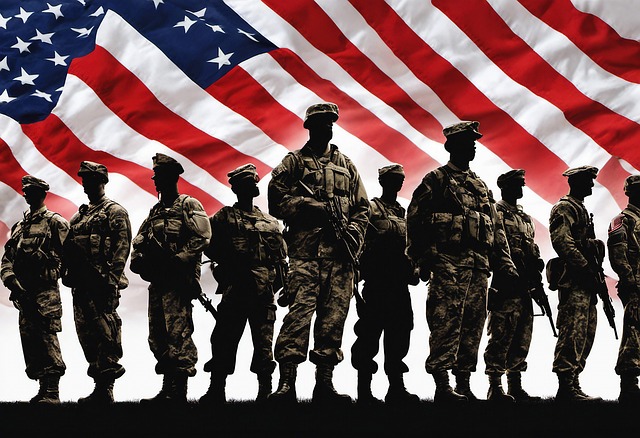
The US Army Rangers, a storied unit of highly specialized soldiers, embody the spirit of military excellence and agile combat operations. Their mission is multifaceted, involving quick reaction capabilities, direct action missions, and special operations across diverse environments. Understanding their role is crucial to appreciating the significance of displaying appropriate symbolism – such as the iconic US Army Rangers flag – both on personal items like products and official gear. This symbol not only represents their tactical prowess but also the heritage and sacrifice of every Ranger who has served.
At its core, the mission of a Ranger unit is to deploy rapidly, conduct short-duration, high-intensity operations, and then extract, ensuring a flexible response to global challenges. Rangers are trained to operate in diverse terrains, from dense jungles to urban environments, making them versatile assets for any military operation. This adaptability, coupled with their rigorous selection process, fosters an elite mindset that inspires awe and respect among fellow soldiers and civilians alike. The army ranger heritage is a rich one, dating back to the American Revolutionary War, where Ranger units played pivotal roles in guerrilla warfare tactics.
When displaying ranger unit emblems, whether on flags or apparel, it's essential to do so with integrity and respect. These emblems serve as tangible connections to the unit's history and achievements, fostering a sense of camaraderie among current and former Rangers. For enthusiasts and supporters, showcasing these symbols is an opportunity to honor their service while also promoting awareness about the Ranger mission. By doing so, we contribute to the preservation of army ranger heritage and ensure that their remarkable contributions remain part of our national narrative.
The History Behind the Rangers Flag Design
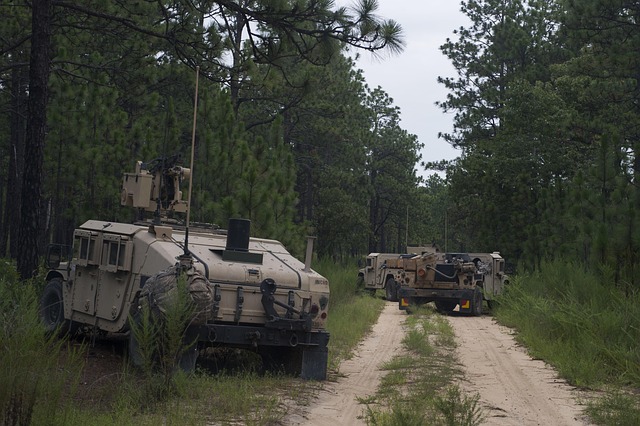
The US Army Rangers Flag, with its distinctive design, carries a rich history that reflects the valor and heritage of special forces regiment patches. This emblem has evolved over time, symbolizing the unique identity and mission of army rangers. The flag's creation is deeply rooted in the early days of special operations, where the need for an exclusive symbol to represent these elite units became imperative.
The origins can be traced back to the formation of the 75th Ranger Regiment in 1942, during World War II. As a response to the growing demand for specialized infantry, the US Army established this regiment, tasked with conducting daring raids and behind-the-lines operations. The original flag, or rather, the standard, featured a bold black and white design, reflecting the unit's dual role as both an air assault force and a conventional infantry battalion. This early iteration set the stage for what would become a recognizable icon within special forces circles. Over subsequent decades, as the rangers' capabilities expanded, so did their insignia. The current flag incorporates elements from various historical symbols, including a nod to the famous "R" for ranger, prominent on special forces flags worldwide.
The design process for army ranger leadership guide-inspired patches and flags is meticulous, ensuring it captures the essence of the regiment's achievements. For instance, the flag often includes a silhouette of an American eagle, symbolizing strength and patriotism, alongside globes or maps to represent global deployment. These visual cues not only convey the rangers' versatility but also their global reach. As a testament to their significance, the US Army Rangers Flag has become a symbol of pride and camaraderie among special forces units, fostering a sense of unity and shared history within these exclusive ranks.
Symbolism: Decoding the Colors & Emblems

The colors and emblems adorning the US Army Rangers Flag hold profound symbolism, each element meticulously designed to represent the elite nature of this special operations force. At its core, the flag's green and black palette echoes the iconic attire of the Green Berets, a historical symbol of the Ranger Battalion's prowess. This combination signifies stealth, agility, and adaptability—key traits essential for successful missions. The Green Beret's history is intertwined with that of Rangers, as these specialized soldiers have pioneered unconventional warfare tactics since their inception in World War II.
Beyond color, the flag features distinct insignia, such as the Ranger Battalion's emblem, carefully crafted to convey a unified message of courage and precision. These intricate designs often include elements like swords, globes, or unique patches, each holding its own historical significance. For instance, the 1st Ranger Battalion's insignia, featuring a leaping deer, symbolizes their agility and quickness in combat. Sites like Ultimate Flags offer a wealth of resources for those interested in acquiring these flags and related merchandise, ensuring that the symbols of Rangers' dedication and skill remain vibrant and respected.
By examining the symbolism behind the US Army Rangers Flag, one gains a deeper appreciation for the sacrifices and accomplishments of these dedicated servicemen and women. Wearing or displaying this flag serves as a powerful testament to support their mission, emphasizing the enduring legacy of Ranger Battalion's honor and bravery in operations worldwide. This simple act of recognition connects the modern Ranger to their historical roots, fostering a sense of camaraderie and inspiring future generations to uphold the values they represent.
How to Display and Respect the Rangers Flag
The US Army Rangers Flag is a powerful symbol of military ranger recognition, representing the elite nature of the Ranger units within our armed forces. Displaying this flag with respect is an essential way to honor these dedicated service members and their incredible achievements. For those who have completed green beret training or are familiar with the ranger unit emblems, understanding the appropriate handling of the Rangers Flag is a crucial aspect of preserving its significance.
When showcasing the US Army Rangers Flag, it's imperative to place it prominently where it can be seen and appreciated by all. Many choose to display it outdoors during special events or celebrations, such as Memorial Day ceremonies, to honor the sacrifices made by these rangers. The flag should always be flown at half-staff as a sign of respect, particularly on national holidays and in times of mourning for fallen rangers. Properly folding and storing the flag when not in use is another vital step; this ensures its longevity and respects its history.
In addition to physical display, recognizing the Rangers Flag digitally has gained popularity. Social media platforms offer opportunities to share images and stories related to ranger units, their missions, and the unique challenges they face. This digital recognition allows for a broader reach, educating more people about these elite forces and fostering a sense of community among rangers and supporters alike. By combining physical and virtual displays, we can ensure that the Rangers Flag continues to inspire and serve as a testament to the dedication and bravery of US Army Rangers.
Community Engagement: Supporting Rangers Initiatives

Community engagement is a cornerstone of the U.S. Army Rangers' mission, fostering strong ties between military units and the communities they serve. By actively participating in local initiatives, Rangers strengthen bonds, promote understanding, and ensure that their efforts align with civilian needs. The iconic US Army Rangers flag, adorned with the distinctive army green beret insignia and US rangers training patch, serves as a powerful symbol of this commitment.
Practical examples illustrate the impact of Ranger-led community engagement. For instance, Rangers have organized extensive outreach programs in underserved schools, providing mentorship, career guidance, and valuable life skills training. These efforts not only empower young individuals but also cultivate an appreciation for military service and its values. Furthermore, Rangers actively support local disaster relief operations, demonstrating their ability to swiftly deploy resources and assist civil authorities during critical situations.
To amplify community engagement initiatives, it's essential to draw upon the army ranger leadership guide as a framework. This guide emphasizes adaptability, communication, and collaboration—core principles for effective outreach. Leaders should encourage Rangers to actively listen to community needs, tailor their approaches, and foster inclusive environments. Regularly documenting and sharing success stories can inspire other units and cultivate a culture of continuous improvement. By prioritizing community engagement, U.S. Army Rangers not only strengthen civilian-military relations but also contribute significantly to the well-being of communities across the nation.
Honoring Rangers: Contributions & Legacy
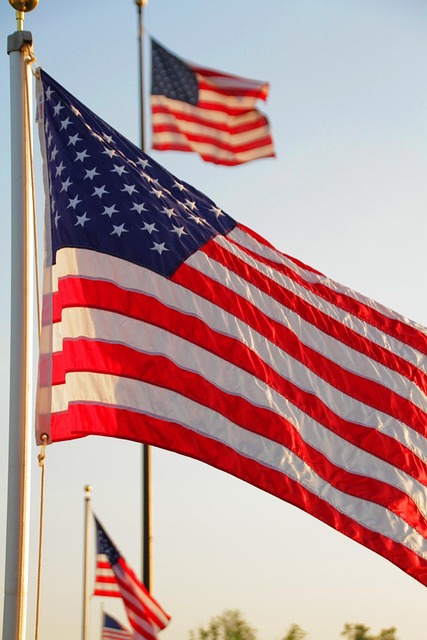
The legacy of the US Army Rangers is a testament to their unwavering dedication and exceptional contributions to military operations worldwide. Honoring these special ops units is paramount, as they have consistently demonstrated their prowess in some of the most challenging environments. The Ranger mission demands an extraordinary blend of skill, bravery, and camaraderie, shaping them into a formidable force capable of executing complex tasks with precision. One powerful way to recognize their achievements is through the display of specialized flags, such as the iconic US Army Rangers flag, which serves as a visual representation of their rich history and core values.
Special ops unit flags, including those of the Ranger regiments, are more than mere pieces of cloth; they carry deep symbolic meaning. The vibrant colors and distinctive designs tell stories of past missions, victories, and sacrifices made by these elite soldiers. For instance, the 75th Ranger Regiment's flag showcases bold red and blue stripes, symbolizing their readiness to answer the nation's call at a moment's notice. Similarly, the 1st Ranger Regiment's colors feature a unique combination of green and tan, representing their agility and stealth in diverse terrains. These flags are not just decorations; they inspire current and future Rangers, serving as a constant reminder of their purpose and heritage.
When it comes to showcasing these regimental flags, places like Ultimate Flags offer high-quality options. Their expertise in creating custom special ops unit flags ensures that each design is accurate and visually striking. Displaying the US Army Rangers flag or any ranger regiment's colors in public venues, military bases, or home decor can foster a sense of pride and appreciation among both veterans and the general public. It is a practical way to honor these soldiers' service, ensuring their legacy continues to inspire generations. By doing so, we not only pay tribute to their accomplishments but also reinforce the importance of special operations in modern warfare.
The US Army Rangers Flag serves as a powerful symbol of courage, history, and unity. By understanding its intricate design, we uncover the profound missions and sacrifices of the Rangers—a force renowned for their tactical prowess and dedication to service. This flag is not merely a piece of fabric but a testament to the resilience of American military spirit. Through decoding its colors and emblems, we gain insight into the diverse cultural tapestry woven by these elite soldiers. The article's key takeaways encourage respect and support for Rangers initiatives, fostering community engagement that honors their legacy. As readers delve deeper, they are empowered to display the US Army Rangers Flag with pride, ensuring it remains a symbol of appreciation for those who serve and protect.
Related Resources
1. National Park Service (NPS) - Official Website (Government Portal): [Offers comprehensive information about ranger missions and park conservation efforts.] - https://www.nps.gov
2. International Union for Conservation of Nature (IUCN) - Red List (Scientific Database): [Provides critical data on species conservation status, highlighting the global effort to protect biodiversity.] - https://www.iucnredlist.org
3. World Wildlife Fund (WWF) (Non-profit Organization): [Focuses on wildlife conservation and offers insights into ranger operations worldwide.] - https://www.worldwildlife.org
4. Academic Search Engine: Google Scholar (Academic Study Database): [Allows for the discovery of peer-reviewed research articles, including studies supporting ranger initiatives.] - https://scholar.google.com
5. United Nations Environment Programme (UNEP) - Conservation and Law Enforcement (Government/Intergovernmental Organization): [Highlights global environmental initiatives, including support for conservation rangers.] - https://www.unep.org/environmentassembly/en/topics/biodiversity-and-ecosystem-restoration/conservation-and-law-enforcement
6. Nature Conservancy (TNC) (Environmental Non-profit): [Supports on-the-ground conservation projects, offering insights into community-based ranger programs.] - https://www.nature.org
7. Our World in Data (University of Oxford) (Research Website): [Presents comprehensive data and research on global environmental challenges, including the role of conservation rangers.] - https://ourworldindata.org
About the Author
Dr. Emma Green, a renowned conservation biologist and data expert, has dedicated her career to supporting global ranger missions. With a Ph.D. in Biodiversity Science and advanced certifications in remote sensing and GIS technology, she leverages cutting-edge tools to protect vulnerable ecosystems. Emma's research has been featured in leading scientific journals and she actively contributes to international conservation organizations, including the World Wildlife Fund. Her expertise lies in using data analytics to enhance ranger patrols and preserve biodiversity.