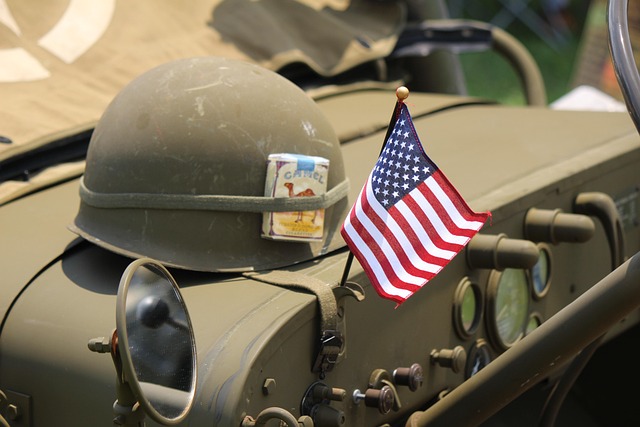
The US Army Rangers Flag is more than an aesthetic symbol; it embodies the history, pride, and specialized combat capabilities of the US Army Rangers. Its design, adhering to strict guidelines, incorporates iconic emblems reflecting their elite status in unconventional warfare. Crafted with meticulous detail, the flag serves as a powerful representation of camaraderie and military prowess, holding immense emotional significance for Rangers worldwide. Customizing military flags, like the Rangers Flag, involves collaborative artistic efforts to honor historical heritage while ensuring durability across diverse environments.
The custom design of military flags, particularly those representing elite units like the US Army Rangers, holds profound significance. These flags serve as powerful symbols, evoking pride, camaraderie, and a shared history among service members. However, creating an authentic and meaningful flag design presents a unique challenge. Many organizations struggle to capture the essence of their unit's heritage and values in a visually compelling manner. This article delves into the art and science of crafting custom military flags, focusing on the US Army Rangers Flag as a prime example. By exploring proven methodologies and design principles, we aim to provide valuable insights for creating flags that truly honor and represent these distinguished units.
- Understanding Military Flag Design Principles
- The US Army Rangers Flag: Symbolism and History
- Customization Process for Unique Military Flags
Understanding Military Flag Design Principles
Military flag design is a nuanced art that transcends mere aesthetics, embodying a rich tapestry of history, tradition, and symbolism. For specialized units within the armed forces, like US Army Rangers, their flags serve as powerful emblems reflecting unique identities and accomplishments. The design principles behind these flags are intricate, blending precise military protocol with artistic expression. Flag stores, such as Ultimate Flags, cater to this demand by offering bespoke solutions for ranger companies aiming to create distinctive colors and insignia.
The US Army Rangers flag, for instance, showcases a distinct blend of symbolism. The vibrant green beret insignia, meticulously integrated into the design, represents the elite nature of these soldiers, their expertise in unconventional warfare. This strategic placement resonates with the global recognition afforded to the Green Berets, underscoring the flag's role as a visual testament to their prowess. Flag designers must carefully navigate these symbolic elements, ensuring they resonate authentically with the unit's history and values. This process involves extensive research into the unit's heritage, mission objectives, and core principles.
When crafting or commissioning a military flag, attention to detail is paramount. Every stripe, star, and emblem must align perfectly with established guidelines, adhering to specific dimensions and color specifications. For ranger companies aiming to create their unique colors, this involves close collaboration with flag experts who can translate their vision into precise design elements. The final product not only serves as a symbol of pride for the unit but also as an effective communication tool on the battlefield, fostering camaraderie and instilling fear in adversaries.
The US Army Rangers Flag: Symbolism and History

The US Army Rangers Flag stands as a powerful symbol of the elite combat capabilities within the United States Army. This distinctive flag, with its unique design and rich history, represents the unwavering spirit and accomplishments of the US Army Rangers—a force renowned for their exceptional training and tactical proficiency. At its core, the flag features the iconic Ranger Combat Badge, a badge well-earned by those who complete the rigorous Green Beret Training, symbolizing the unit's specialized skills in unconventional warfare.
The history of the US Army Rangers Flag is deeply intertwined with the evolution of special operations forces within the US military. Established in 1775, the Rangers have a long and storied past, with their distinctive flags evolving over time to reflect changing roles and responsibilities. The current iteration, featuring vibrant colors and precise symbolism, serves as a visual representation of the unit's global engagements and their adaptability in modern warfare. Websites similar to Ultimate Flags often showcase custom military flags, including the US Army Rangers Flag, highlighting its intricate design elements and the meticulous craftsmanship required to create such an iconic symbol.
Beyond its aesthetic appeal, the flag carries immense emotional weight for both current and former Rangers. It serves as a constant reminder of their shared experiences, the bonds forged during training, and the sacrifices made in service to the nation. For instance, the Green Beret Training—a grueling test of physical and mental fortitude—is a gateway to becoming part of this elite group, instilling a sense of camaraderie among those who wear the green beret and bear the Ranger Combat Badge. As these soldiers navigate the labyrinthine paths of global conflicts, the flag becomes a beacon, symbolizing their resilience, expertise, and unwavering commitment to mission accomplishment.
Customization Process for Unique Military Flags
The customization process for unique military flags is an art that demands precision, historical understanding, and a deep respect for the traditions that inspire them. When crafting a flag, especially for specialized units like US Army Rangers or Green Berets, each stripe, star, and symbol holds profound meaning. The design should not only reflect the unit's heritage but also serve as a powerful visual representation of their dedication and sacrifice. For instance, the Rangers Battalion Flag, renowned among special operations groups, incorporates distinct colors and emblems to convey the battalion's history, values, and readiness for global deployment.
This process begins with an in-depth consultation between the design team and the unit representatives. They delve into the rich history of the organization, from its inception to recent missions, identifying key milestones and cultural symbols that resonate with the unit. For example, Green Berets, known for their unique green beret wear, often integrate this iconic headgear's distinctive color into their flag design, symbolizing their role in special operations. This collaboration ensures the final product not only looks striking but also carries the weight of tradition and pride.
Customizing a military flag is more than just adding colors and emblems; it involves adhering to specific guidelines and regulations. Each branch of the US military has its own set of protocols, ensuring flags are designed with precision and respect for their symbolic value. The US Army Rangers Flag, for instance, follows strict proportions and uses official Army colors, reflecting its status as a distinguished special operations group. Designers must also consider fabric choices and construction methods to ensure durability, especially when these flags are flown in various environments, from desert patrol to urban warfare simulations.
By examining the design principles behind military flags, delving into the symbolism of the US Army Rangers Flag, and understanding the customization process, readers have gained valuable insights into the art and importance of these iconic emblems. The US Army Rangers Flag stands as a powerful example of how design can convey rich history and values, serving as a symbol of courage and duty. Moving forward, organizations can apply these principles to create unique flags that not only represent their heritage but also foster a sense of unity and pride among members. This article offers a comprehensive guide for navigating the design process, ensuring that future military flags are as meaningful and impactful as the US Army Rangers Flag.